Training Zone online shopping search
Simply find the best possible online shopping Training Zone deals
Training Zone shopping marketplace results
Shop Training Zone products and compare prices and listings on popular online marketplaces.
Training Zone video reviews
Training Zone news
Training Zone - BingNovice
Training zones explained: how to use heart rate and power zones to fast-track your training
If you’re starting to venture into the world of riding with data, chances are you’ll have heard of training zones. In a nutshell, training zones enable cyclists to target specific physiological adaptations and, in turn, produce more effective results from their time in the saddle.
However, with numerous training zone models out there – covering both heart rate and power – and terms such as FTP, sweetspot, VO2 max and anaerobic threshold frequently bandied about, understanding and using training zones effectively can be complicated.
That needn’t be the case, though. In fact, using zones can simplify your training, whether that's road training, gravel training or mountain bike training. That's because using training zones adds structure to your riding, enabling you to hone the precise area of fitness you want to improve.
What’s more, using training zones is more accessible than ever, thanks to the increasing affordability of heart-rate monitors and power meters, as well as the fast-rising popularity of smart trainers and a number of indoor cycling apps.
So what exactly are training zones, how can you determine your zones and how do you use them? Let’s get stuck in
What are training zones?
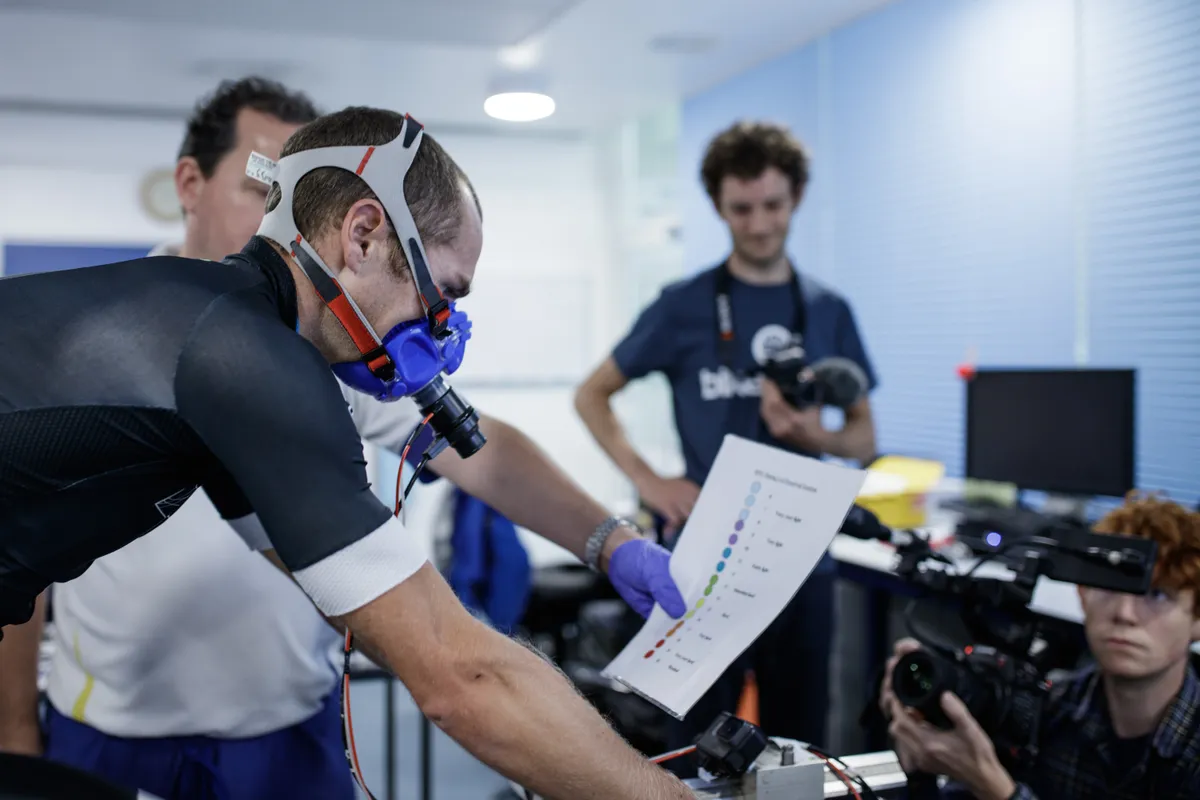 Sport scientists record…
Zone 2 training is everywhere – but how do you do it effectively?
When it comes to fitness, there's always something new (and fun!) to learn about – and right now, zone 2 training is a hot topic of conversation. But what actually is zone 2 training, which exercises are best for getting into zone 2 and, well, is it even really worth it?
Keen to learn more about this type of exercise, we chatted to Tana von Zitzewitz, a PT and master trainer at Barry’s UK (y'know, the fitness studio responsible for Hell Week), to learn more...
What is Zone 2 training?
So, first thing's first! What the heck is zone 2 training? "Zone 2 training refers to a certain type of heart rate training which sits between 65 to 75% of your maximum heart rate," says Tana. "Zone 2 is generally known as 'aerobic base training' which can build a solid base of endurance." Basically, it's good for your heart health and for building up cardio stamina (you'll be able to run faster and for longer, that sort of thing).
As for where zone 2 sits on the zone scale, it's generally agreed that we all have five different heart rate zones – which span from zone 1…